Renting out a condo in Natick can look simple at first glance, but the details matter. You want strong rent, a solid tenant, and a smooth process without avoidable mistakes. The good news is that with the right prep, pricing, and paperwork, you can turn your condo into a well-positioned rental. Let’s walk through the practical steps that matter most.
Start With Condo Rules
Before you advertise your unit, review your condo documents carefully. In Massachusetts, condominiums are governed by the master deed, deed, by-laws, and Chapter 183A, so your first job is to confirm whether your association allows rentals and whether any approval steps apply.
Look for rules about lease terms, move-in procedures, pet policies, parking, and tenant registration. These details can affect how you market the condo and what you include in the lease. If any part of the documents is unclear, Massachusetts recommends speaking with a real estate attorney with condominium experience.
Price Your Natick Condo Realistically
Setting rent is one of the biggest decisions you will make. As of July 17, 2026, Zillow reports Natick’s average rent across all bedroom counts at $2,650 and describes the market as “cool.” Zillow and Trulia both place a one-bedroom around $2,100 and a two-bedroom around $2,500.
Those numbers are best used as a starting range, not a fixed answer. Your condo’s exact rent will depend on size, condition, layout, parking, updates, storage, and how it compares with active local competition.
Natick also sits among several nearby rental markets with different pricing. Zillow’s nearby comparisons show Framingham around $2,305, Waltham around $2,800, Needham around $3,050, Newton around $3,600, and Wellesley around $4,200. That makes local positioning especially important.
What to consider when pricing
- Bedroom count and usable square footage
- Interior condition and recent updates
- Included parking or garage access
- Laundry, storage, or outdoor space
- Condo fees or utilities you plan to cover
- Current competition from similar Natick rentals
A practical approach is to start with current Natick market data, compare your condo to similar listings, and adjust based on features renters actually value.
Prepare the Unit Before Listing
A well-prepared condo usually shows better and rents faster than one that feels unfinished or cluttered. Basic presentation still matters, even in a cooler market.
A smart prep sequence is simple:
- Clean thoroughly
- Declutter the space
- Repair obvious issues
- Remove overly personal items
- Refresh worn finishes where needed
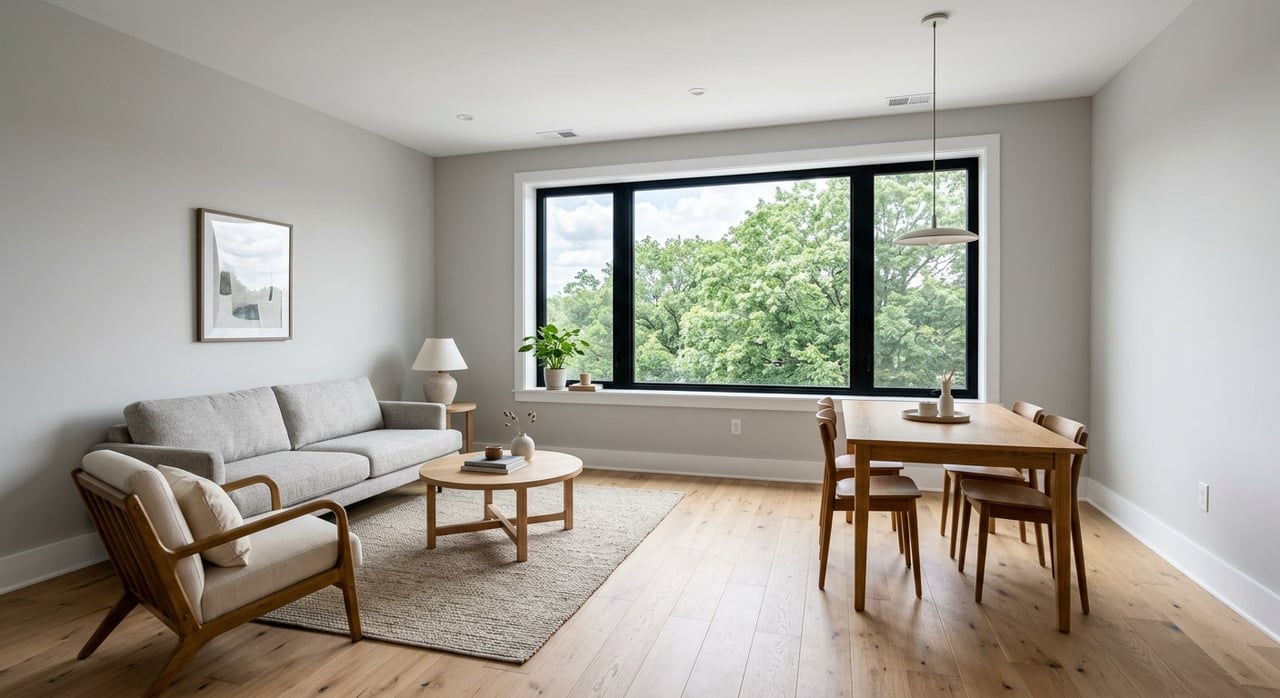
This helps renters picture themselves living there. Strong visuals also matter, so once the condo is ready, use clear photos and straightforward listing copy that explains the layout, features, and condo rules accurately.
Handle Repairs and Permits Early
If you plan to update the kitchen, bath, electrical, plumbing, or other building systems, do that work before the listing goes live. In Natick, the Building Department handles permit issuance and use and occupancy matters for buildings and structures.
That means permit-related work should be coordinated early, not after a tenant is lined up. Delays in repairs or compliance can push back your timeline and create avoidable stress during marketing.
Know Massachusetts Rental Requirements
Massachusetts landlord obligations are strict in several areas, so this is not a step to wing. The state says a landlord must provide an apartment that is safe, well-maintained, and compliant with the Massachusetts Sanitary Code, while also honoring the lease or rental agreement.
For many first-time condo landlords, the most important takeaway is this: treat compliance as part of your rental strategy from day one. Good preparation protects both your property and your timeline.
Security deposit rules matter
If you collect a security deposit, Massachusetts limits it to no more than one month’s rent. The deposit must be held in a separate interest-bearing Massachusetts bank account, and you must provide a receipt with the bank details.
The state also requires a Statement of Condition when a deposit is taken. Later, the deposit must be returned within the required statutory timeline. Because these rules are document-heavy and exacting, many owners benefit from setting up a clear deposit process before the listing goes live.
Check Lead Paint Rules
If your condo was built before 1978, lead law may apply. Massachusetts requires lead-law notification in pre-1978 rental housing.
If a child under six will live in the unit, the landlord must delead or use interim control. Massachusetts also states that landlords may not refuse to rent to families with young children because of lead paint concerns. This is one of the most important compliance checks to complete before marketing the property.
Use Neutral Marketing and Consistent Screening
Your advertising and tenant screening process should be neutral, factual, and consistent. Massachusetts fair housing law prohibits discrimination based on race, color, national origin, religion, sex, familial status, disability, source of income, sexual orientation, gender identity, age, marital status, veteran or active military status, and genetic information.
That means your listing language should focus on the property itself, not on the type of renter you hope to attract. Keep screening criteria consistent for every applicant and document your process carefully.
If you use screening reports
If you use credit, eviction, or background reports, the FTC says these reports are consumer reports under the Fair Credit Reporting Act. If a report leads to a denial or another negative decision, an adverse-action notice is required.
The applicant can also request a free copy of the report within 60 days of the notice. If criminal history will be part of your screening, Massachusetts has a housing-specific CORI regulation, so a written policy and attorney review are prudent.
Build a Lease Package That Fits the Condo
A condo rental should not rely on a generic lease alone. A more practical setup is a Massachusetts-compliant written lease paired with a condo addendum that reflects the association’s rules.
This is where details like move-in timing, parking, utilities, pet rules, and building procedures should line up clearly. If you are unsure how to draft the first lease package or how condo rules affect the tenancy, this is a smart point to involve a real estate attorney.
Keep Good Tax Records From Day One
Once your condo is ready and available for rent, recordkeeping becomes important. According to IRS Publication 527, common rental income and expense categories can include advertising, cleaning and maintenance, insurance, mortgage interest, repairs, taxes, utilities, legal and professional fees, and management fees.
The IRS also says residential rental property is generally depreciated over 27.5 years, and depreciation begins when the property is ready and available for rent. For condo owners, dues or assessments paid for maintenance of common elements can be deductible, while special assessments for improvements may need to be recovered through depreciation instead.
If the condo was previously your personal residence, or if you have significant assessments or recent upgrades, a CPA can help you sort repairs from improvements and keep your records clean.
A Practical Natick Rental Checklist
If you want a simple framework, focus on these steps before you list:
- Review the master deed, by-laws, deed, and condo rules
- Confirm any rental restrictions or approval requirements
- Price the condo using current Natick rental data
- Finish any permit-requiring work through Natick’s Building Department
- Complete lead-law steps if the building was built before 1978
- Prepare neutral marketing and a consistent screening process
- Set up security deposit handling the Massachusetts way
- Use a written lease with a condo-specific addendum
- Start a tax file for rent, repairs, dues, and assessments
Renting out a Natick condo successfully usually comes down to preparation, not guesswork. When you price carefully, follow condo rules, and handle the legal details correctly, you put yourself in a much stronger position for a smoother lease cycle. If you want experienced, hands-on guidance with presentation, tenant placement, and lease strategy, Realty Associates can help you move forward with clarity.
FAQs
What rent should you charge for a Natick condo?
- As of July 17, 2026, Zillow reports Natick average rent at $2,650 across all bedroom counts, with one-bedrooms around $2,100 and two-bedrooms around $2,500. Use those figures as a range, then adjust for your condo’s condition, size, parking, and competition.
What condo documents should you review before renting out a Natick unit?
- Review the master deed, deed, by-laws, and condo rules to confirm rental restrictions, approval steps, lease requirements, and owner obligations before advertising the property.
What are the Massachusetts security deposit rules for a condo rental?
- A security deposit can be no more than one month’s rent, must be held in a separate interest-bearing Massachusetts bank account, requires a receipt with bank details, and requires a Statement of Condition when collected.
What lead paint rules apply to a Natick condo rental?
- If the unit was built before 1978, Massachusetts requires lead-law notification, and if a child under six will live there, the landlord must delead or use interim control.
What should a Natick condo owner include in a lease package?
- A practical lease package includes a Massachusetts-compliant written lease plus a condo addendum covering building rules, parking, pets, utilities, and move-in procedures.
What records should you keep when renting out a condo in Natick?
- Keep records for rent, advertising, repairs, cleaning, insurance, taxes, condo dues, legal or professional fees, and any special assessments from the start of the rental period.