If you are thinking about trading a larger home for something simpler without giving up access to Boston, Weston is likely on your shortlist for a reason. You may want less upkeep, fewer stairs, and a calmer daily rhythm, but you still need a location that keeps commuting and family connections practical. The good news is that Weston can support that kind of move, though it often takes more planning than buyers first expect. Let’s dive in.
Why Weston works for downsizers
Weston sits about 12 miles west of Boston, which makes it appealing if you want to stay close to the city without living in a denser setting. The town offers commuter rail access to North Station from Hastings and Kendal Green, with travel times of roughly 30 to 31 minutes and 28 to 29 minutes, respectively. If your routine still includes regular city trips, that rail access can be a major advantage.
At the same time, Weston feels very different from many closer-in suburbs. The town reports 17.02 square miles of land and a population density of 663 residents per square mile, and its housing plan describes a community that is about 50 percent forested. In practical terms, downsizing here often means less house to manage while still keeping a spacious, green setting around you.
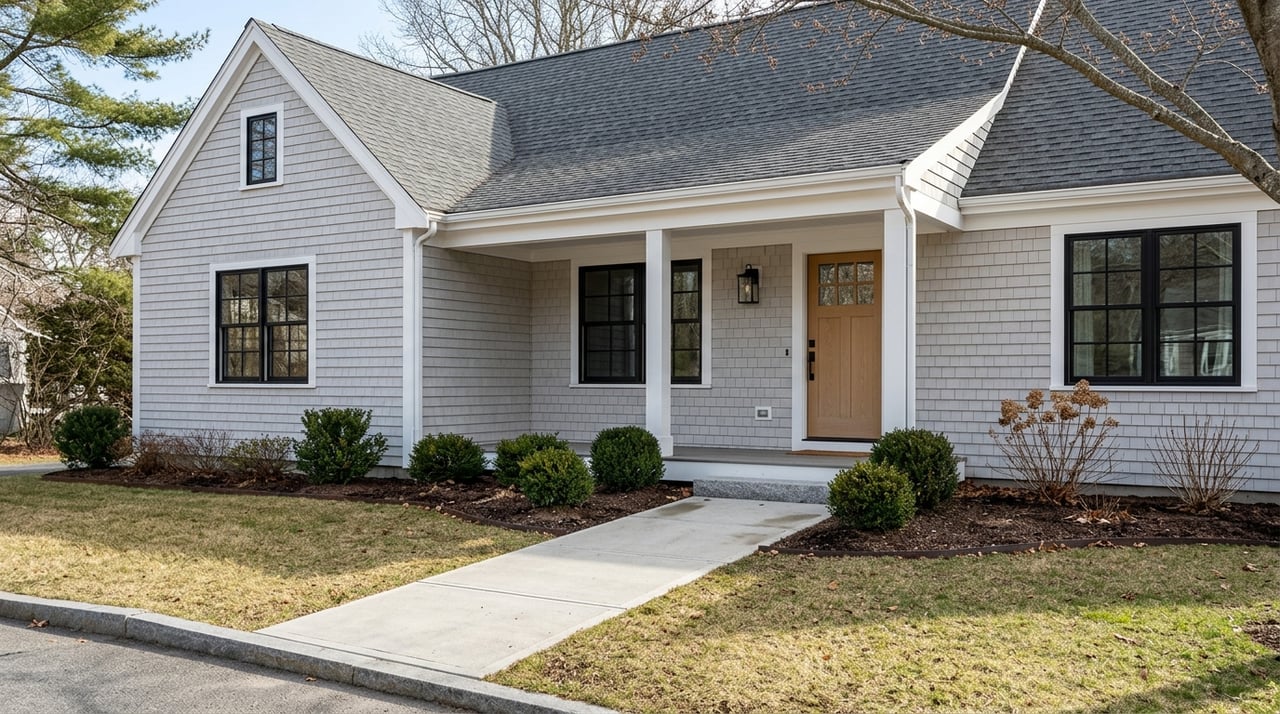
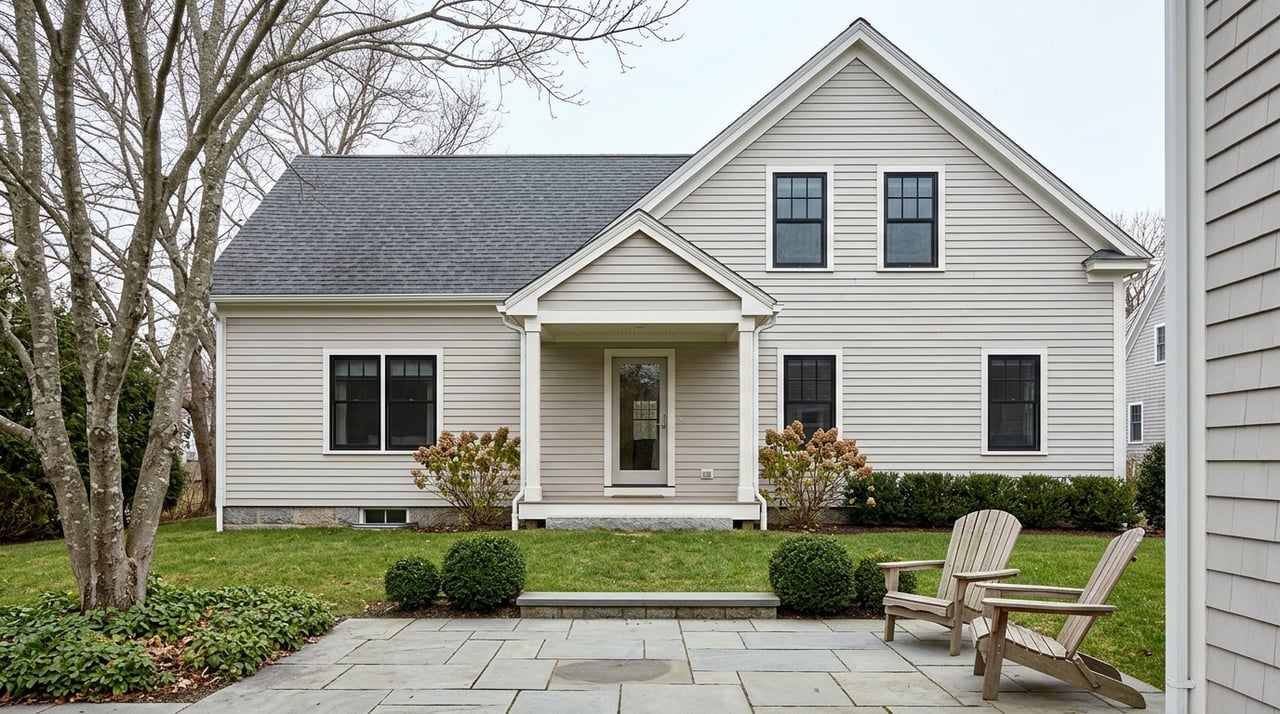
That tradeoff matters. In Weston, downsizing is not always about moving into a compact, urban-style home. Often, it means choosing a home with a more manageable floor plan, less yard burden, or a layout that fits your next stage better.
What downsizing in Weston really looks like
One of the most important things to understand is that Weston is still largely shaped by low-density zoning and larger residential lots. Minimum lot size ranges from 20,000 square feet in District D to 60,000 square feet in District A, with wide frontage and generous setbacks. So even when you buy smaller in Weston, the property may still feel substantial compared with homes in other suburbs.
That is why your definition of downsizing needs to be specific. You may be looking for one-floor living, a primary suite on the main level, fewer exterior maintenance demands, or simply a home with fewer unused rooms. In Weston, a successful move usually starts with lifestyle priorities, not just square footage.
The town’s demographics also suggest that this kind of move is already part of the local housing story. Weston’s housing plan found that 59 percent of householders were 55 or older, and 35 percent were 65 or older. That means you are far from alone if you are thinking about simplifying while staying in a community with a quieter pace.
Expect limited smaller-home inventory
A key challenge for downsizers in Weston is supply. The town’s housing stock remains heavily owner-occupied, with 87 percent owner occupancy, and the housing plan notes that Weston added little multifamily housing over time. Between 2000 and 2018, the town issued permits for 580 housing units, all single-family.
That history matters because it helps explain why lower-maintenance options can be harder to find. Smaller homes and alternatives to traditional large-lot houses do exist, but they are not abundant. If you want a very specific layout or a meaningful reduction in upkeep, you may need patience.
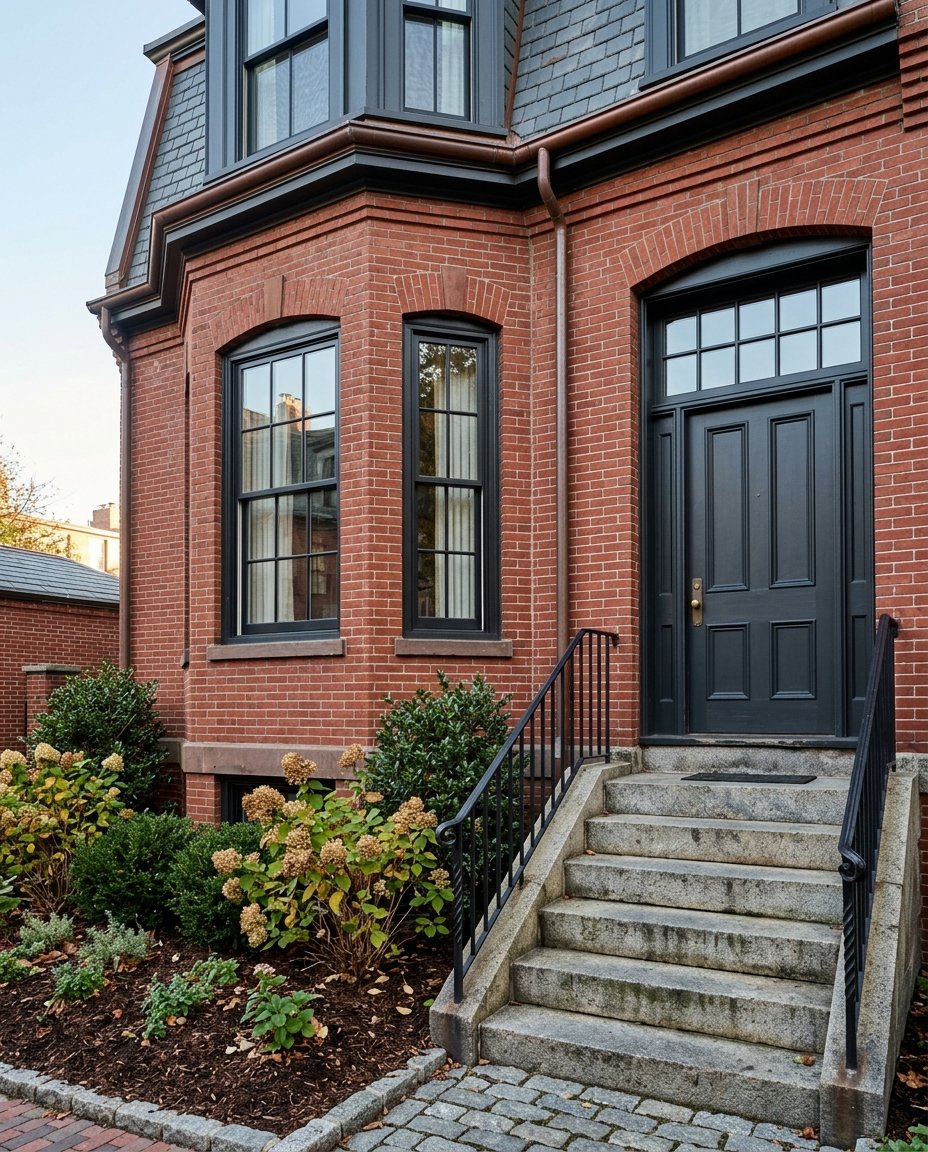
The age of the housing stock also plays a role. Weston has a high share of homes built before 1939 and a lower share of homes built in the last 20 years than many comparison towns. For you, that may mean charm and character, but it can also mean older layouts, more renovation needs, or both.
Boston access is realistic, with limits
For many downsizers, staying near Boston is the point. Weston can make that possible, especially if commuter rail fits your routine. The town’s transportation information highlights rail access from Hastings and Kendal Green, but it also notes that Weston has no bus service.
That means the town works best if you are comfortable driving, arranging drop-offs, or relying on the rail stops for your city connection. If your goal is a fully car-free lifestyle, Weston may feel less convenient than other communities. If your goal is to stay near Boston while enjoying a quieter residential setting, it may feel like a strong fit.
Weston also offers lifestyle benefits beyond commuting. The town has three miles of the Mass Central Rail Trail corridor, with access points off Church Street, Town House Road, and Concord Road. For some buyers, that adds another layer of daily ease through walking and biking opportunities.
Renovation plans may need extra thought
Some downsizers are open to buying an older home and updating it over time. That can be a workable strategy in Weston, but it is smart to understand that larger projects may involve more planning. The town requires residential site plan approval for houses larger than 3,500 square feet when the project exceeds 10 percent of the lot area, and for houses larger than 6,000 square feet regardless of lot size.
There is also special review noted for scenic road properties and certain multifamily dwellings. The takeaway is simple: if your downsizing plan depends on major changes, the process may not be as quick or straightforward as you hope. A home that already aligns with your day-to-day needs may save time, stress, and carrying costs.
Current market conditions favor preparation
Weston remains a high-value market with limited inventory, and recent market snapshots reflect that. Realtor.com reported 50 homes for sale in March 2026, a median listing price of $3,612,000, a median of 25 days on market, and a 97 percent sale-to-list ratio. Redfin reported a March 2026 median sale price of $2,308,000, with 10 homes sold and a median of 45 days on market.
The numbers differ because the platforms track different data points, but the message is consistent. Inventory is tight, and pricing can vary significantly from one property to another. In a smaller market like Weston, each comparable sale tends to matter more.
The town assessor’s FY2026 notice said Weston has about 3,700 homes and roughly 120 arm’s-length sales in 2024. That small sample means buyers and sellers should expect values to depend heavily on location, condition, lot size, and how updated a home feels. For downsizers, that is another reason not to assume a quick one-for-one move.
Build your downsizing plan around lifestyle first
The calmest way to approach a move to Weston is to define your next chapter before you list your current home. Start with the features that will shape your daily life, such as fewer stairs, less outdoor maintenance, a first-floor primary suite, or easy rail access. Those priorities can help you avoid chasing homes that look good on paper but do not support the way you want to live.
Once your priorities are clear, get your finances organized early. The Consumer Financial Protection Bureau recommends checking your credit and getting a preapproval letter so sellers can see that you are serious, while remembering that preapproval is not a guaranteed loan and often expires in 30 to 60 days. It also notes that preapproval does not commit you to one lender.
That timing matters in a low-inventory market. If the right property appears, you want to be ready to act without rushing through your decision-making.
Prepare your current home carefully
If you are selling before or during your move, presentation still matters, especially in a market where buyers may be comparing homes with larger footprints and older layouts. Decluttering is one of the simplest ways to make your current home feel more spacious and easier to understand. It also helps buyers focus on the home itself rather than your belongings.
Staging can support that effort. According to the National Association of Realtors’ 2025 staging report, 83 percent of buyers’ agents said staging made it easier for buyers to visualize a property as a future home. The same report found that 49 percent of sellers’ agents saw faster sales, and 29 percent saw a 1 percent to 10 percent increase in offered value.
The most important rooms to stage were the living room, primary bedroom, and kitchen. For downsizers, this is especially useful because a well-prepared sale can create more flexibility on the purchase side. Thoughtful preparation often helps reduce pressure during an already emotional transition.
Budget beyond the purchase price
When comparing options in Weston, it helps to look past the asking price and focus on total carrying costs. Weston’s FY2026 uniform tax rate was $10.88 per $1,000 of assessed value. That can be a useful benchmark as you compare a smaller house, a property with less land to maintain, or another lower-upkeep option.
Closing costs also deserve attention. The Consumer Financial Protection Bureau notes that closing costs usually run about 2 to 5 percent of the home price, and moving expenses and utility setup fees should be budgeted separately. In a market like Weston, where home prices can be substantial, those costs can add up quickly.
Keeping that full financial picture in view makes it easier to choose a home that feels comfortable not just on move-in day, but long after. That is often the real goal of downsizing: reducing complexity, not replacing one strain with another.
Give yourself more timing flexibility
One of the biggest mistakes downsizers can make is expecting a perfect swap on a tight schedule. Weston can absolutely support a move that keeps you near Boston, but limited inventory means you may need more time to find the right fit. You may also need to compromise on yard size, house age, or the extent of updates.
That is why a flexible sequence often works best:
- Define your must-haves and nice-to-haves
- Organize financing early
- Prepare your current home for the market
- Begin watching inventory closely
- Leave room for inspection, financing, and moving logistics
The Consumer Financial Protection Bureau also advises buyers to keep their budget and priorities in view while shopping and to include financing and satisfactory inspection contingencies in an offer. That approach can help you move more deliberately and avoid feeling pushed into the first available home.
Downsizing is not just a housing decision. It is a quality-of-life decision. In Weston, the best results usually come from taking a measured approach and matching your next home to the life you actually want to live.
If you are weighing a downsizing move and want practical guidance on timing, preparation, and presenting your current home well, Realty Associates can help you map out a clear next step.
FAQs
Is Weston a good place to downsize while staying near Boston?
- Yes. Weston is about 12 miles west of Boston and offers commuter rail access to North Station, which can make it a practical choice if you want a quieter setting without losing city access.
Are low-maintenance homes easy to find in Weston?
- Not always. Weston’s housing pattern is still dominated by single-family homes on larger lots, and the supply of smaller or lower-maintenance options has historically been limited.
Does Weston have public transit besides commuter rail?
- Weston has commuter rail access from Hastings and Kendal Green, but the town reports that it does not have bus service.
What should downsizers prioritize when buying in Weston?
- Focus first on lifestyle needs such as floor plan, stairs, yard upkeep, and commute pattern, then build your budget and timing around those priorities.
How competitive is the Weston housing market?
- Recent data points to limited inventory and a high-value market, with pricing varying widely based on condition, lot size, location, and updates.
Should I sell first or buy first when downsizing to Weston?
- It depends on your finances and flexibility, but a careful plan is important because Weston’s limited inventory can make it harder to find the right home on a rushed timeline.