If you have been watching MetroWest and wondering why Hudson keeps coming up, you are not imagining it. This is a town with a long-running downtown reinvestment story, a varied housing mix, and practical regional access that fits how many people actually live and commute. If you want to understand what is driving the attention and what it could mean for your move, this guide will walk you through the key reasons. Let’s dive in.
Downtown Hudson stands out
Hudson’s downtown is one of the clearest reasons the town is getting more attention in MetroWest. According to the town’s historic district materials, revitalization efforts date back to 1981, when Town Meeting approved a consultant plan and about 65 downtown buildings were identified as historically significant. That long timeline helps explain why the center feels established and layered rather than recently assembled.
The town’s Rapid Recovery Plan describes downtown as a vibrant district that has reinvented itself over the past decade. Today, the area includes smaller-footprint retail, food and beverage businesses, service businesses, and long-standing institutions. The same plan says downtown draws visitors from across MetroWest, which gives Hudson a stronger regional profile than some buyers might expect.
A recent downtown parking study adds another useful detail. In survey results, 65% of respondents said they live in Hudson, and 50% said they visit several times a week. The most common reason for a recent visit was eating and drinking, which reinforces the idea that downtown serves both daily local needs and a broader destination role.
Hudson offers a broader housing mix
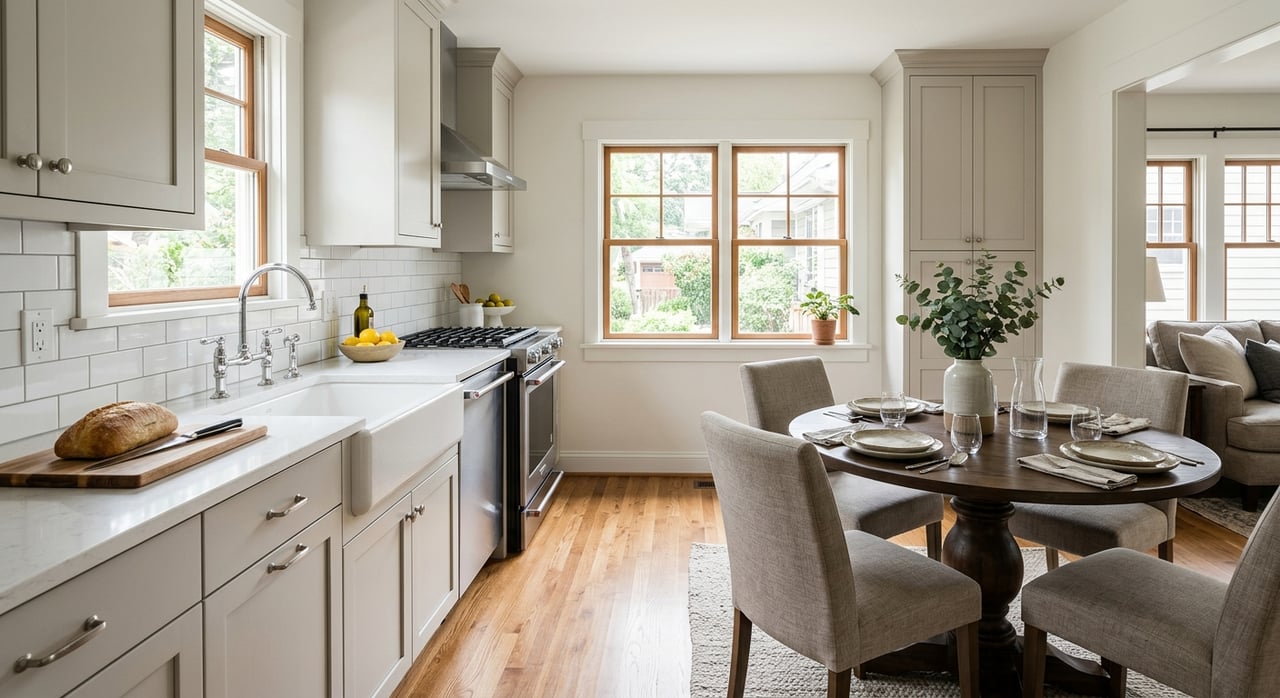
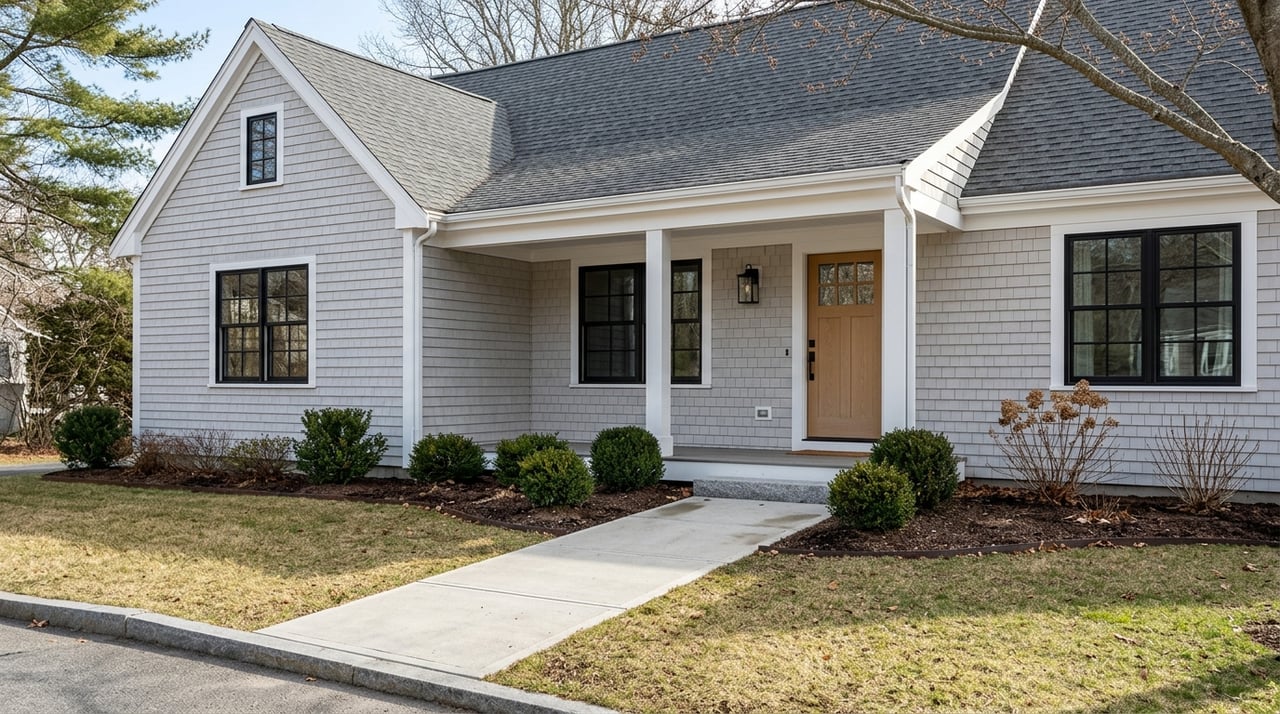
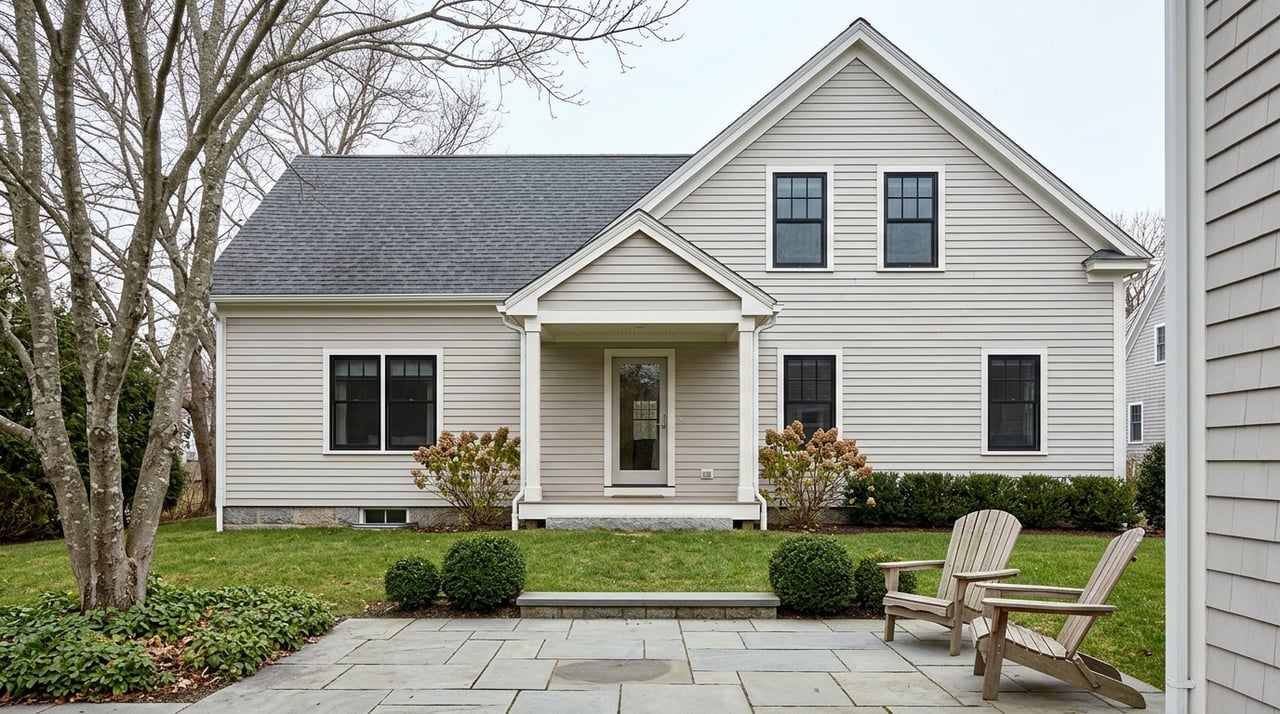
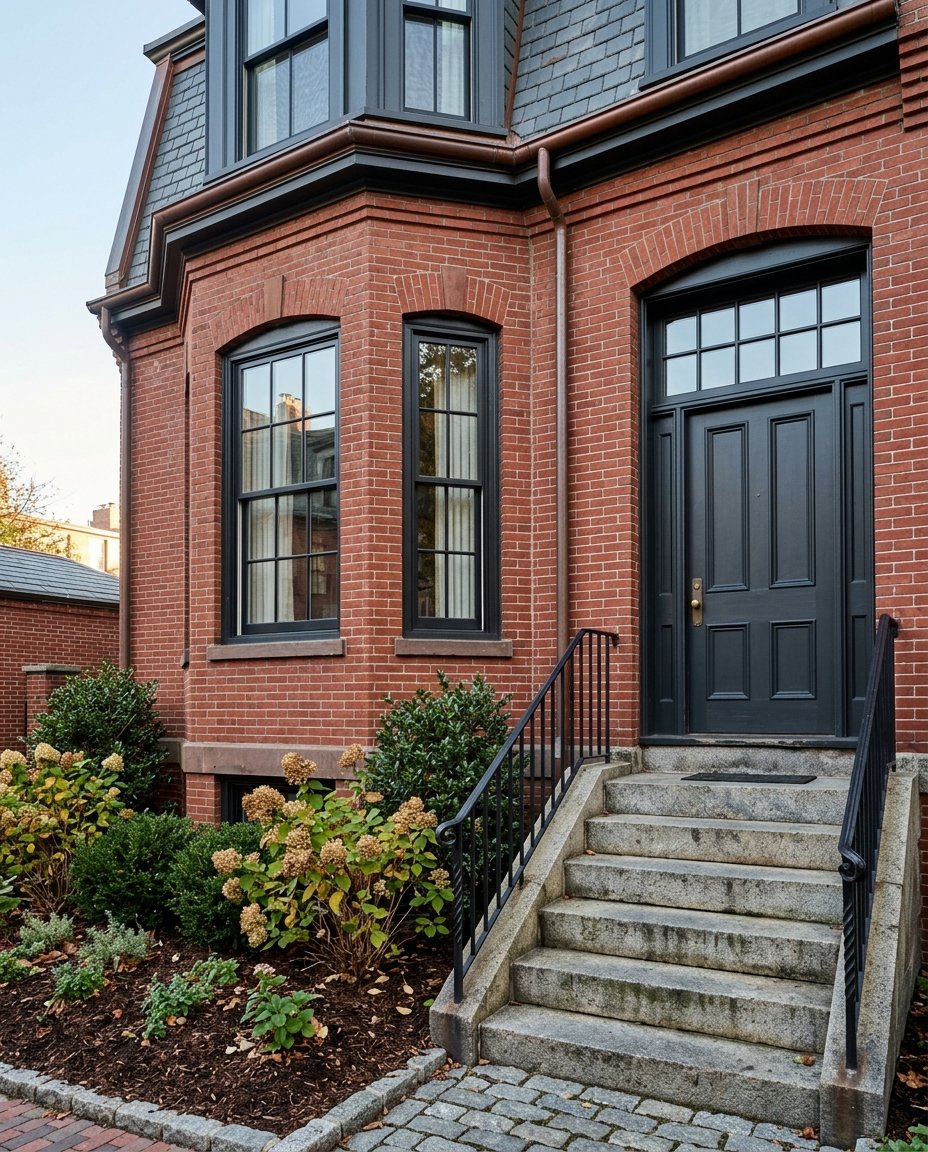
Another reason Hudson is gaining attention is that the housing stock is not one-note. The town’s 2024-2029 Housing Production Plan says Hudson is made up largely of older, modest single-family homes on small lots, with a significant number built before 1940. For buyers, that can mean more variety in age, layout, and architectural character than you may find in places with mostly newer subdivisions.
Hudson also includes a meaningful multifamily segment. The same housing plan says multifamily housing, mostly in 3- to 9-unit buildings, accounts for 15% of all units. That creates more options for buyers and renters who want something other than a traditional detached home.
The town had 8,502 housing units in 2020, with 96% occupied. About 73% of occupied units were owner-occupied, while renter-occupied units grew faster than owner-occupied units from 2010 to 2020. In practical terms, Hudson still leans owner-occupied, but it is also becoming more mixed over time.
Hudson may feel more attainable
Price is part of the conversation too. Recent census data put the median value of owner-occupied housing units in Hudson at $496,800 for 2020-2024, and median gross rent at $1,406. Those numbers do not tell the whole story of any individual home search, but they do help explain why buyers looking across MetroWest may pause and take a closer look.
The town’s housing plan reports that in 2022, median sale prices were $550,000 for single-family homes and $365,000 for condos in Hudson. For Middlesex County overall, those figures were $739,000 for single-family homes and $576,000 for condos. That gap helps support the idea that Hudson can read as a more value-oriented option within a higher-priced county.
This does not mean Hudson is only a starter-home market. The same mix that keeps it more attainable also gives you a wider range of choices, including older character homes, condo inventory, and a smaller multifamily layer. For early-stage buyers, that can make the search feel more flexible.
Connectivity is practical, not rail-driven
Hudson’s appeal also comes from how it fits into the regional map. The town notes that its center is reached from I-495 exit 67 via Route 62 and from Route 85, while master plan materials describe Route 62 as the primary east-west access route through town. That makes Hudson well connected for people who move around MetroWest by car.
At the same time, Hudson is not best understood as a rail-centered suburb. The town’s transportation information says Hudson has fixed-route MWRTA service on Route 15 and Catch Connect service linking Hudson and parts of Marlborough, with transfers to other fixed routes available. For many buyers, the right expectation is car-first living with some supplemental local and regional transit options.
That distinction matters because it helps you compare Hudson more accurately to other towns. If your daily routine depends on direct rail access, Hudson may feel different from some other MetroWest locations. If your lifestyle is more road-based, its connectivity may feel practical and straightforward.
Planning activity is shaping attention
One of the strongest signals in Hudson is that the town is still actively planning for what comes next. The Plans & Studies page lists work tied to downtown parking, downtown wayfinding, the South Street Riverwalk, the master plan, hazard mitigation, and the 2025 Open Space and Recreation Plan. For buyers and sellers, those are worth watching because they point to ongoing attention around mobility, public spaces, resilience, and infrastructure.
The master plan update is especially notable. Hudson’s Master Plan Steering Committee page says the town is updating its master plan in 2025. That makes this a key moment for anyone who wants to track how the town is thinking about future housing, economic development, and community priorities.
Recent zoning discussions point in the same direction. A November 2024 zoning hearing proposed changes involving accessory dwelling units, the official zoning map, the Adaptive Re-Use Overlay District, and an added Neighborhood Business District in the use-intensity schedule. Taken together, those details suggest Hudson is continuing to adjust land-use rules to support reuse and incremental housing growth.
Adaptive reuse remains part of Hudson’s story
Hudson’s planning documents show that adaptive reuse is not just a talking point. The Housing Production Plan says the town has promoted adaptive reuse and mixed-use development in and near downtown since 2016. It also notes that downtown zoning was updated to remove parking ratios and dimensional requirements and to allow eight units or fewer by right in the downtown area.
That kind of policy framework matters because it can influence how a town evolves over time. In Hudson’s case, it helps explain why downtown development feels tied to existing buildings and established patterns rather than disconnected from them. For many buyers, that supports a sense of continuity between the town’s history and its next chapter.
The same housing plan says Hudson’s subsidized housing inventory was 11.12% in August 2024, including 40 new affordable units at Packard Street Commons. That places the town above the 10% state goal while also showing that local planning is still trying to keep pace with growth.
What this means for buyers
If you are considering Hudson, the biggest takeaway is that the town offers more than one reason to look closely. You are not just choosing a place with a popular downtown or a lower price point than some nearby markets. You are looking at a town where downtown reinvestment, housing variety, and active planning all connect.
That can create a more balanced search experience. You may find older single-family homes with character, condos that expand your options, or smaller multifamily properties that are less common in some neighboring suburbs. You also get a town center that has been intentionally shaped over decades, not just recently branded.
As with any move, the details matter. The right fit depends on your budget, how you commute, and what type of property feels realistic for your next step. Hudson is getting more attention because it checks several boxes at once, and for many MetroWest buyers, that combination is increasingly hard to ignore.
If you are weighing where Hudson fits in your search, it helps to work with an advisor who can bring a practical, market-by-market lens to the conversation. For tailored guidance on evaluating value, timing, and neighborhood fit, schedule a private consultation with Realty Associates.
FAQs
Why is Hudson getting more attention in MetroWest?
- Hudson is drawing more attention because of its long-running downtown revitalization, varied housing stock, practical access through I-495, Route 62, and Route 85, and an active local planning agenda.
What is the housing mix like in Hudson, MA?
- Hudson is mostly made up of older single-family homes on small lots, with a significant pre-1940 housing component, plus condo and small multifamily inventory that adds more choice than some nearby suburbs.
Is Hudson, MA more affordable than other Middlesex County towns?
- Town housing data and census figures suggest Hudson is relatively more attainable than Middlesex County overall, with lower reported median sale prices for both single-family homes and condos.
How do people typically get around in Hudson, MA?
- Hudson is generally car-first, with access through I-495 and key local routes, plus MWRTA fixed-route and Catch Connect bus service for supplemental local and regional transit.
What should homebuyers watch in Hudson over the next few years?
- Buyers should keep an eye on the 2025 master plan update, downtown parking and wayfinding work, open-space planning, and zoning changes related to accessory dwelling units and adaptive reuse.