Trying to decide if Wellesley will fit your daily routine as well as your long-term plans? You want a place that makes commuting reasonable, errands easy, and weekends enjoyable. This practical guide walks you through how Wellesley actually lives day to day so you can picture your life here with clarity and confidence. Let’s dive in.
Wellesley at a glance
Wellesley is a small-to-mid sized suburb just west of Boston with roughly 29,000 to 30,000 residents. Life centers on compact village hubs rather than a single downtown, which keeps things walkable for coffee runs and quick errands. You’ll see tree-lined streets, mostly single-family homes, and a steady rhythm around school schedules and the commuter rail. The overall pace is suburban and calm, with lively pockets around the train stations and colleges.
Village centers and where you’ll spend time
Wellesley’s daily life clusters around several distinct hubs. Each offers a different mix of shops, services, dining, and transit access.
Wellesley Square
This is the primary commercial center with local restaurants, boutiques, banks, and civic services. You can walk to the MBTA commuter rail in minutes, which is convenient if you work in Boston. It’s the spot for a quick coffee, casual dinner, and errands you can do on foot.
Wellesley Hills
Wellesley Hills has a traditional main street feel with local shops and professional services. The commuter rail stops here as well, so you can pair a shorter walk with a smooth train ride. Many residents handle day-to-day tasks here without needing to drive far.
Wellesley Farms
This area is quieter and more residential, with larger lots and a more spacious feel. It has its own commuter rail stop and access to parks and open space. If you like a peaceful setting without losing rail access, this corner is worth a look.
Lower Falls and Route 9
Near the town borders, you’ll find more mixed uses, some multi-family options, and quick car access to regional routes. The Route 9 corridor offers broader retail and services, but traffic can be heavier at peak times. It’s practical for larger shopping trips and weekend errands.
Everyday conveniences
- Grocery stores, pharmacies, banks, and routine medical care are available in or near the village centers.
- A local farmer’s market, seasonal events, and college-hosted arts add variety to your calendar.
- For larger shopping or entertainment, many residents head to nearby options along Route 9 or into neighboring towns.
Housing and neighborhoods
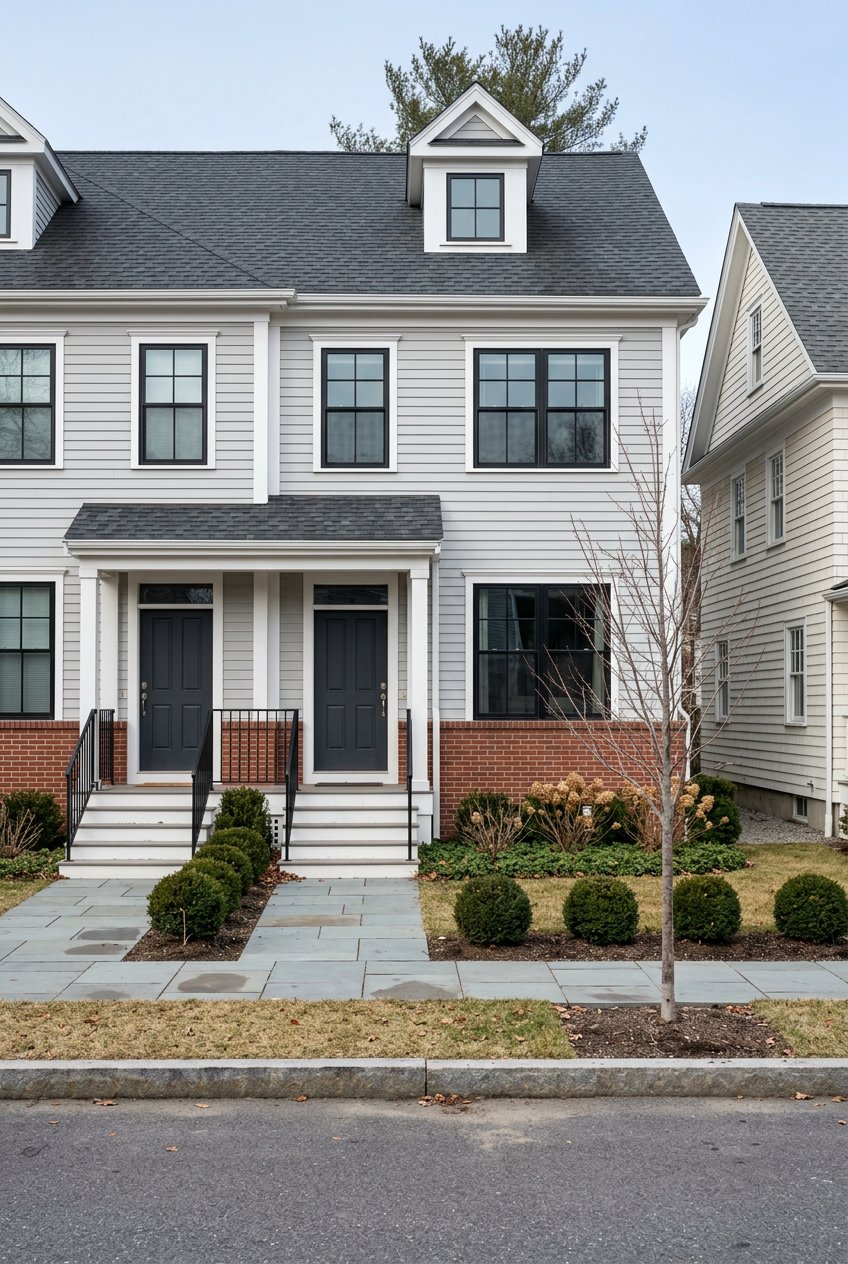
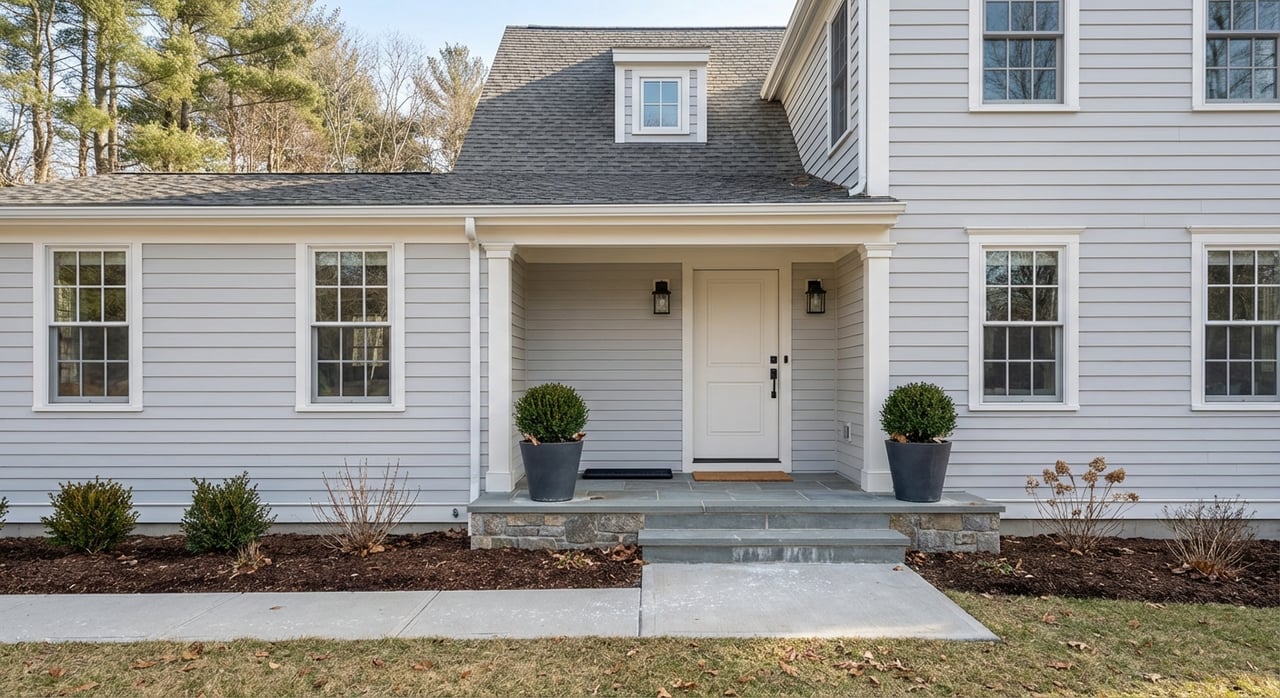
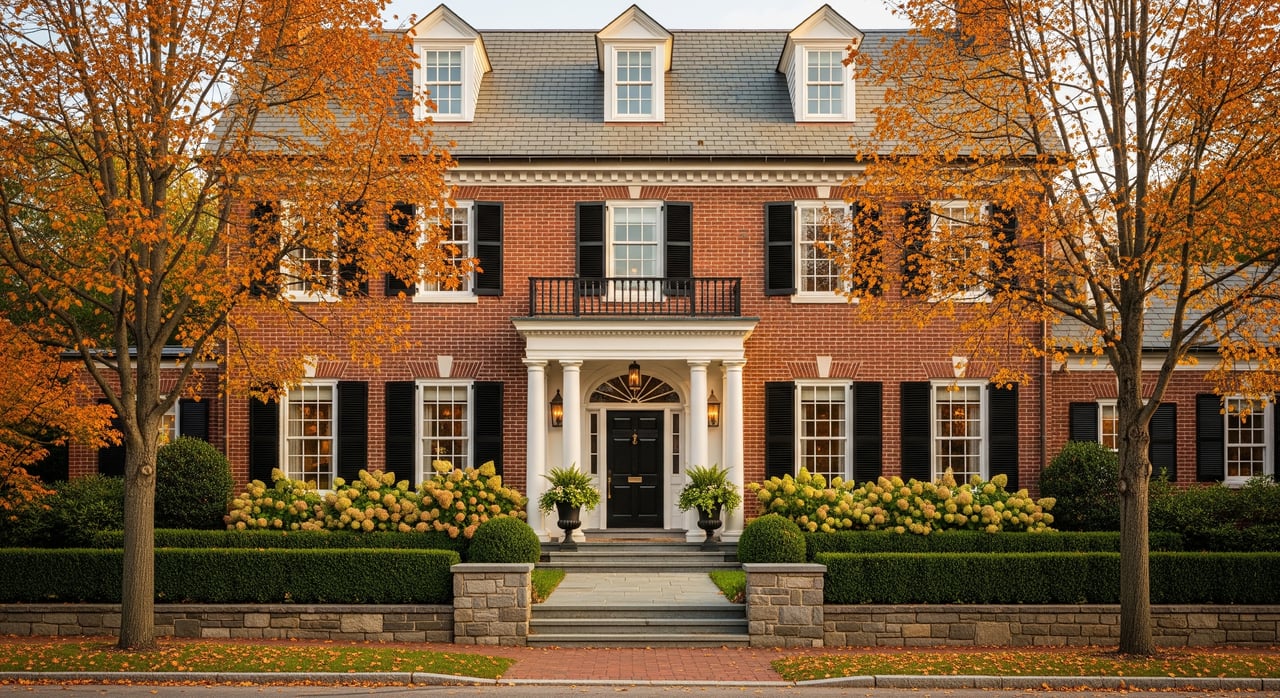
Wellesley’s housing is dominated by single-family homes in styles like Colonial, Victorian, Tudor, and mid-century, plus some contemporary new construction. You’ll also find a smaller number of condos, townhomes, and limited multi-family buildings, especially near the centers and major streets. Lot sizes tend to be larger than many inner-ring Boston suburbs, and most neighborhoods have mature trees and sidewalks.
From a market standpoint, Wellesley sits in a higher price tier within Greater Boston. Well-located single-family homes near schools and rail stations are often competitive. Inventory is typically tight, and while new construction happens, it is limited by zoning and the town’s established fabric.
If you plan to rent, expect a smaller pool of single-family and condo rentals and pricing that reflects the town’s overall cost. Start your search early, especially if you need specific timing or want to be close to a station.
Zoning basics
Much of Wellesley is zoned for single-family residential use. Village centers and certain corridors allow mixed-use or higher density. Local planning decisions shape what types of homes are available, so availability can vary by neighborhood and season.
Getting around and commuting
You have several ways to reach Boston and the suburbs, depending on your schedule.
Commuter rail
Wellesley is served by the MBTA Framingham/Worcester Line with stations at Wellesley Square, Wellesley Hills, and Wellesley Farms. Trains connect directly to Back Bay and South Station. Many residents pair a short walk or drop-off with the rail to keep commuting predictable.
Driving and highways
Route 9 and I-95/Route 128 are close by, and the Massachusetts Turnpike is a short drive away. These roads make regional travel straightforward. Plan for heavier congestion during peak hours, especially on Route 9.
Parking and last-mile details
Station parking is available but can fill up, and rules vary by location and permits. Some commuters combine rail with drop-offs, carpooling, or nearby park-and-ride options. If you need parking, confirm location-specific policies before you rely on a particular lot.
Schools and education
Wellesley Public Schools have a strong reputation for academics, extracurriculars, and college preparation. The district includes several elementary schools that feed into centralized middle and high school programs, supported by active community involvement. For current performance data, it’s best to review Massachusetts DESE School and District Profiles.
Private K–12 and preschool options operate in and around town. Childcare ranges from town-run programs to private centers and co-ops, and availability can be competitive, so start early if you have a target date.
Higher education has a visible presence here. Wellesley College and Babson College contribute lectures, arts events, and athletic programs that residents often attend. These institutions add cultural depth to daily life and offer a steady calendar of public programming.
Parks, recreation, and culture
If you enjoy the outdoors, you have plenty of choices.
- Morses Pond is a popular summer spot for swimming and low-key beach days.
- Elm Bank Reservation offers formal gardens and seasonal programs, plus scenic walking areas connected to the Massachusetts Horticultural Society.
- Town conservation lands and the Wellesley Town Forest provide trails and nature time without leaving the area.
- Sidewalks and local routes make it easy to walk in village centers and nearby neighborhoods.
On the cultural side, you’ll find college museums, talks, and performances, along with active library programs and community classes. Dining skews toward local cafes, bakeries, and restaurants clustered in Wellesley Square and Wellesley Hills. For bigger retail or entertainment, many residents head along Route 9 or to neighboring towns.
Costs, taxes, and services
Wellesley is a higher-cost suburb. Day-to-day prices at local small businesses can be above regional averages. Property tax bills are influenced by the town’s high home values, and rates change annually. If you plan to buy, review the Town of Wellesley Assessor and Tax Collector resources for current rates and typical bills.
The town has a reputation for being relatively low in crime compared with more urban areas. For specifics and trends, check recent Wellesley Police Department annual reports and state or federal crime data sources. Municipal services, including schools, public works, and libraries, are widely used and well supported by the community.
Is Wellesley a fit for you?
Wellesley suits you if you want strong public school options, commuter-rail access, and a calm suburban setting with lively village centers. It also works well if you value cultural events from nearby colleges and active parks and recreation. Downsizers can find condo and townhouse choices, particularly near the centers, though supply is limited.
You may prefer another area if you’re on a strict housing budget, need late-night high-frequency transit like the subway, or want an ultra-urban lifestyle. Wellesley offers convenient pockets of walkability, but it does not operate like a 24-7 city neighborhood.
A weekend test-drive plan
Use this checklist to see how Wellesley fits your routine.
- Morning: Walk Wellesley Square, grab coffee, and note which errands you can accomplish on foot.
- Midday: Drive Route 9 to gauge traffic patterns and explore retail options.
- Afternoon: Visit Morses Pond or Elm Bank Reservation for a quick nature break.
- Transit check: Time the walk from a home you like to each station in Wellesley Square, Hills, or Farms.
- School research: Review Massachusetts DESE profiles and map elementary school zones.
- Evening: Try dinner in Wellesley Hills and walk the surrounding streets to get a feel for the neighborhood.
Practical tips for buyers and renters
- Set expectations on timing. Inventory is often limited, and popular listings move quickly.
- If you want rail walkability, focus your search near Wellesley Square, Hills, or Farms.
- Plan for parking. If station parking matters, confirm rules and permit options early.
- For rentals, start your search ahead of peak moving months and be flexible on timing.
- Budget for taxes and utilities. If you are buying, review recent assessments and sample bills.
Health care and daily services
Newton-Wellesley Hospital provides nearby hospital-level care, with urgent and specialty services in the surrounding area. You’ll find local primary care and dental practices in town, plus pharmacies in village centers and along Route 9. Day-to-day wellness and fitness options include independent studios and outdoor routes for walking or running.
Final thoughts
Wellesley blends village-center convenience with a calm suburban feel, reliable commuter rail access, and a full slate of parks and cultural activities. If you want strong schools, walkable daily errands in select areas, and quick access to major roads, it’s an easy town to put on your short list. When you’re ready to compare neighborhoods, narrow your search radius, or plan timing around the market, let’s talk about your goals and next steps. Schedule a conversation with Realty Associates to get personalized guidance.
FAQs
What is daily life like in Wellesley’s village centers?
- Expect walkable errands, local cafes and restaurants, and commuter rail access clustered in Wellesley Square and Wellesley Hills, with a quieter residential feel in Wellesley Farms.
How do most Wellesley residents commute to Boston?
- Many use the MBTA Framingham/Worcester Line from Wellesley Square, Hills, or Farms, while others drive via Route 9, I-95/Route 128, or the Massachusetts Turnpike.
Are there walkable neighborhoods in Wellesley?
- Yes, the areas around Wellesley Square and Wellesley Hills are the most walkable for daily errands and dining, with sidewalks on many residential streets.
What types of homes are common in Wellesley?
- Mostly single-family homes in Colonial, Victorian, Tudor, and mid-century styles, plus some condos, townhomes, and limited multi-family buildings near main corridors.
How competitive is Wellesley’s housing market?
- Well-located single-family homes often draw strong interest, inventory is usually tight, and new construction is limited by zoning and the town’s established neighborhoods.
What should I know about schools in Wellesley?
- The public schools have a strong academic reputation; review Massachusetts DESE profiles for current performance data and confirm elementary feeder patterns.
Where do residents go for broader shopping or entertainment?
- Many head along Route 9 or to nearby towns for larger retail centers and entertainment while keeping local dining and errands in the village hubs.