If you had 8 weeks to make your Wellesley home shine, where would you start? In a market where many buyers value move-in ready spaces, smart prep can mean the difference between lingering and leading. You want strong photos, smooth showings, and confident offers. This guide gives you a clear, Wellesley-focused plan with timelines, budgets, and high-impact steps to help you impress from the curb to the closing table. Let’s dive in.
What Wellesley buyers expect
Wellesley tends to attract households with high incomes and a strong preference for quality, well-kept homes. Census data shows the town has high owner occupancy and a large share of households in the $250,000-plus income bracket, which often drives expectations for turn-key condition and polished outdoor spaces. You also see many buyers prioritizing commute access and predictable routines.
Schools are a consistent draw. District updates report improved student achievement and growth in recent MCAS cycles, which helps explain why buyers often focus on long-term value and maintenance when they tour homes. Many shoppers are families and commuters who want a clean, classic look that photographs well and feels move-in ready on day one.
Your six-part prep plan
Follow this simple, high-impact sequence. It keeps costs in check while meeting what Wellesley buyers most often look for.
1) Declutter, deep clean, and fix the basics
Start with the easiest wins. Edit furniture for flow, clear surfaces, and pack personal photos and collections so buyers can picture their own life in your rooms. If you need a nudge, use a room-by-room approach to keep momentum.
Next, deep clean. Steam-clean carpets, wash windows, scrub grout, and dust every surface. A spotless home photographs brighter and shows better. Simple repairs matter too. Replace burnt-out bulbs, lubricate sticking doors, and fix drips so nothing distracts buyers during showings.
- Practical help: See proven seller prep tips on decluttering and quick fixes and follow a deep-clean checklist to hit the details buyers notice.
2) Refresh paint, lighting, and key finishes
Fresh, neutral paint modernizes rooms in photos and reduces a home’s perceived age. Focus on high-visibility areas like the living room, kitchen, hallways, and the primary suite. Update a few dated light fixtures and swap in higher-lumen bulbs to make spaces feel open and inviting.
If your kitchen or baths need love, consider midrange refreshes instead of full remodels. Painting or refacing cabinets, adding new hardware, and replacing a worn countertop often deliver strong buyer appeal without a long timeline. National Cost vs. Value research shows smaller exterior projects and modest refreshes tend to recoup more than major luxury renovations, so keep scope measured and targeted.
- Evidence: See Cost vs. Value benchmarks for projects like minor kitchen updates and entry enhancements.
3) Stage the rooms that sell
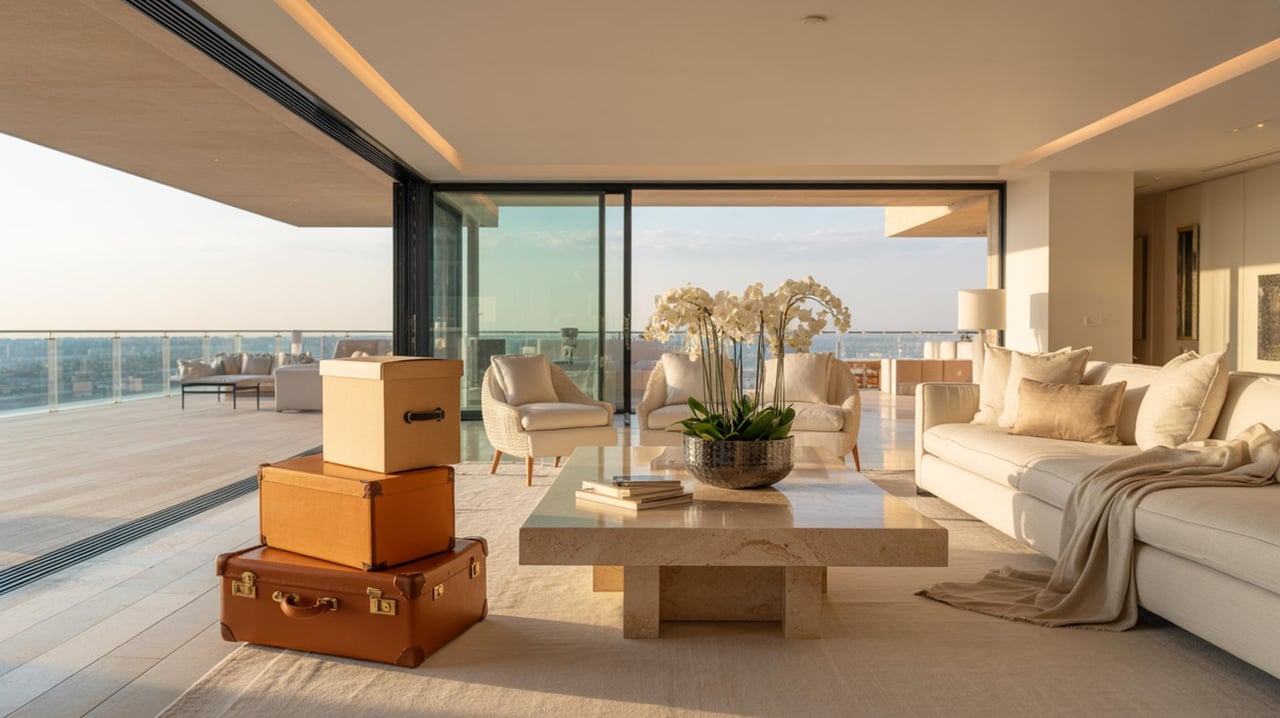
You do not need to stage every space to see real results. The National Association of REALTORS reports that about 29 percent of listing agents saw offers 1 to 10 percent higher after staging, and roughly 49 percent saw reduced time on market. The three rooms that matter most are the living room, the primary bedroom, and the kitchen.
Focus on scale, light, and function. Right-size furniture so rooms feel spacious, add fresh pillows and linens, and style countertops with restraint. If your budget allows, consult a professional stager or ask your agent whether partial staging of key rooms is the best fit for your price point.
- Evidence: Review NAR’s home staging findings to prioritize where staging pays off.
4) Max out curb appeal
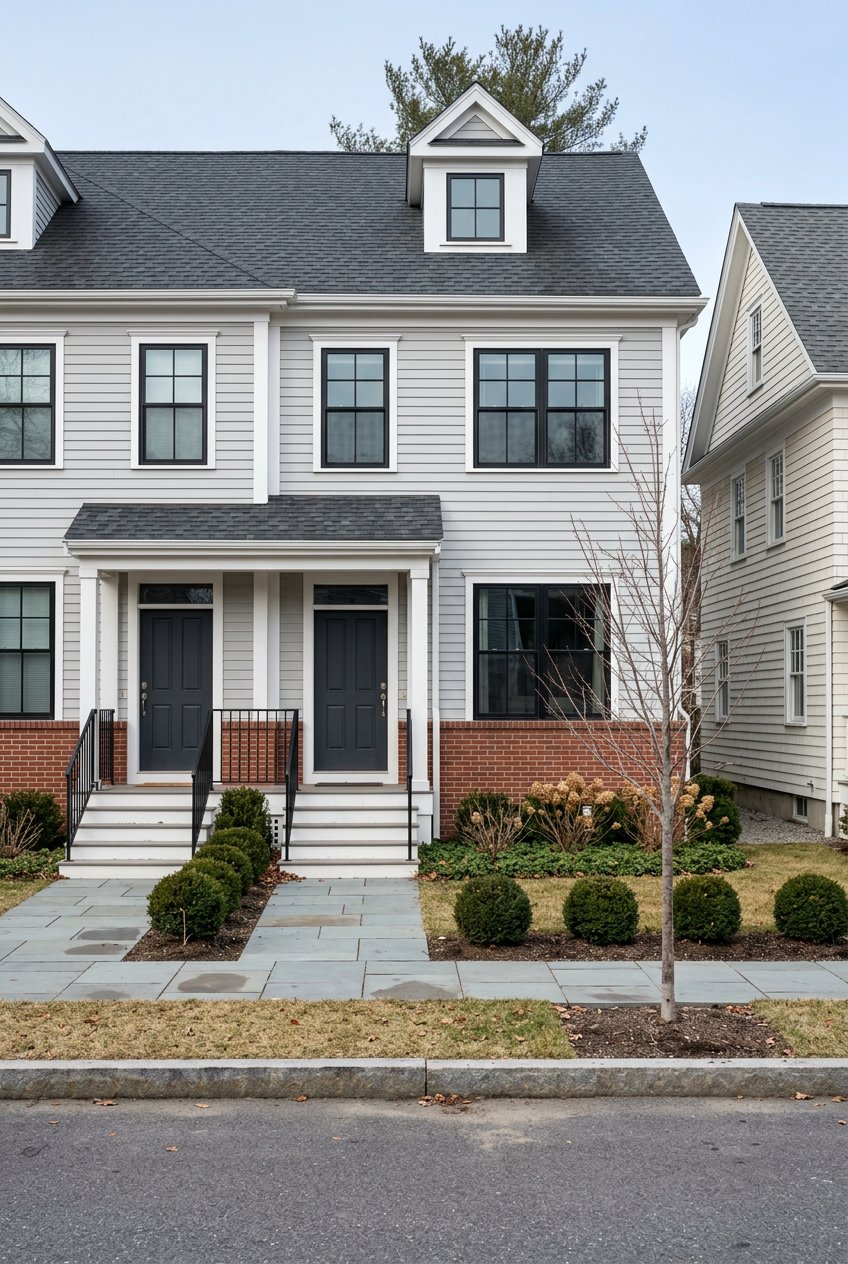
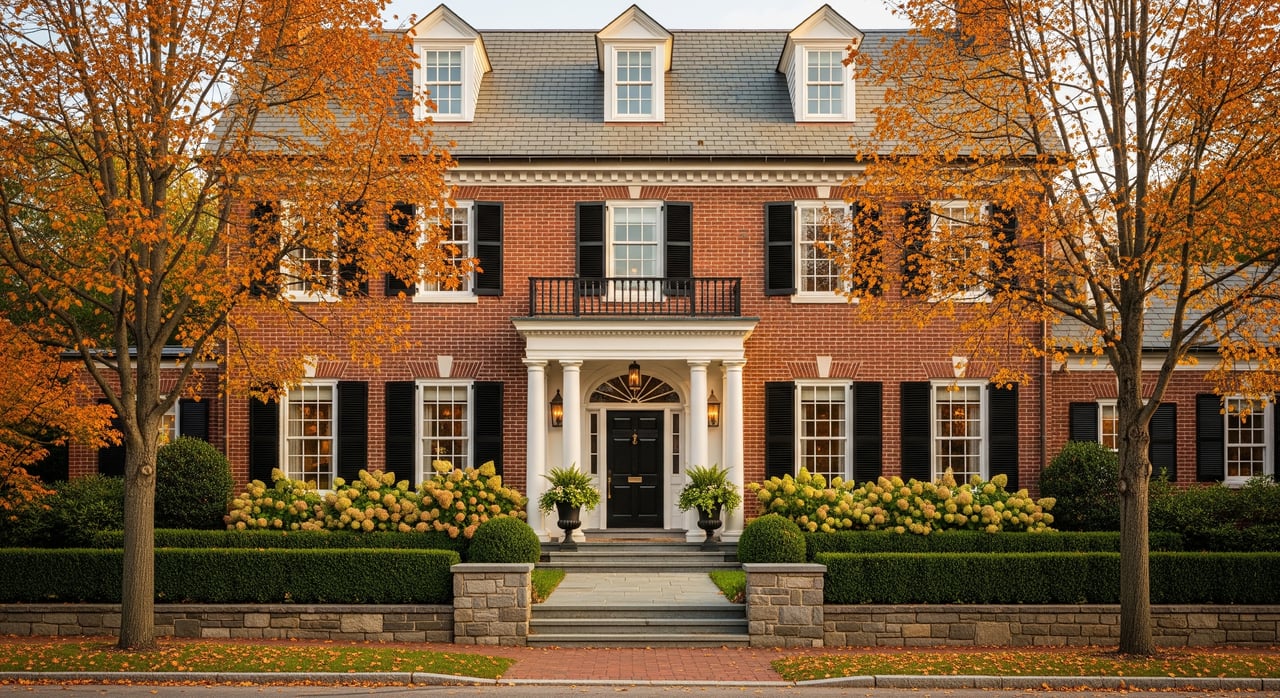
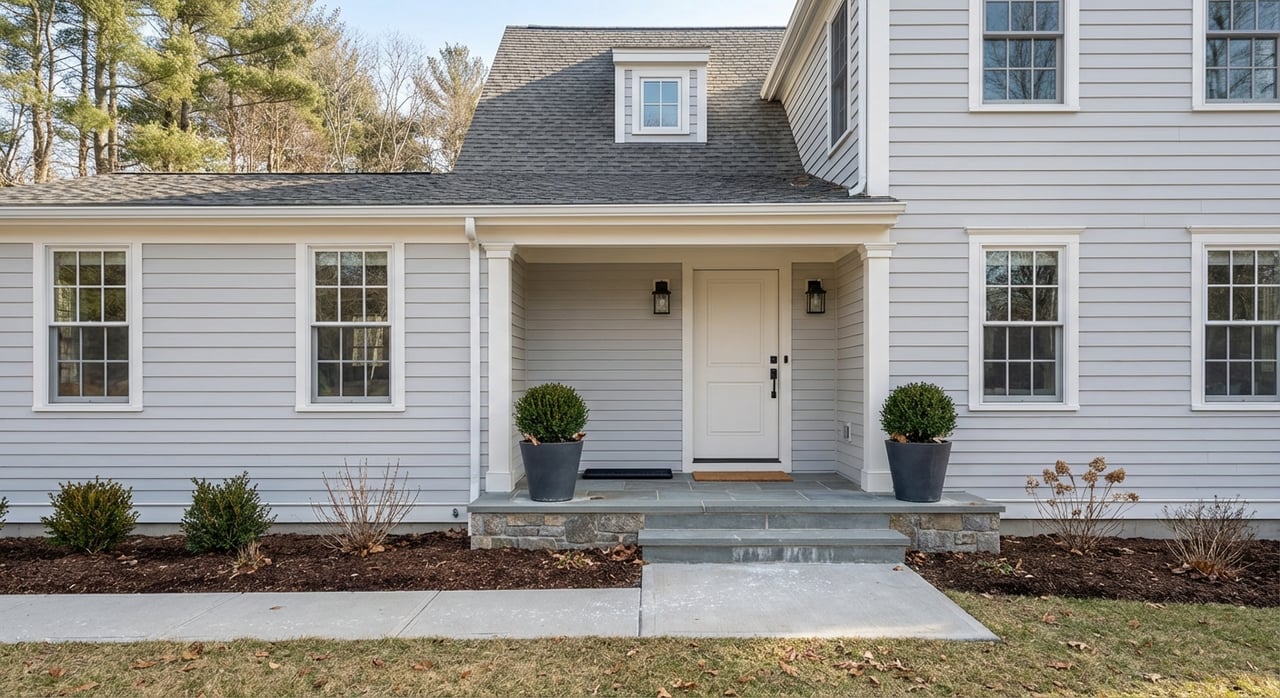
Buyers decide in seconds whether a home “feels right,” and that judgment often starts at the curb. Fresh mulch, edged beds, trimmed shrubs, and a healthy lawn create an immediate lift. The National Association of REALTORS’ outdoor features research shows basic lawn care and landscape maintenance can return outsized value at resale.
Consider a simple front-door refresh too. Repaint the door in a classic tone, update hardware, add crisp house numbers, and check that pathway lighting is bright and even. National ROI studies also highlight garage and entry door updates as reliable performers, so do not overlook them if yours are worn.
- Evidence: See NAR’s outdoor features report on lawn and landscape ROI and Cost vs. Value data on high-payoff exterior projects.
5) Invest in pro photos and a clear digital story
Most buyers first experience your home online. Professional real estate photography, a floor plan, and, when appropriate, a 3D or virtual tour can increase showing requests and engagement. Schedule photos after staging and a final clean so every image tells a crisp, bright story.
- Evidence: NAR media guidance underscores how quality visuals and accurate descriptions improve buyer interest and showing rates.
6) Get ahead on permits, inspections, and records
If you complete any exterior work that may require approval, check Wellesley’s permits and licensing resources before starting. Saving receipts, specs, and permits helps buyers feel confident and makes your disclosure packet stronger.
A pre-listing inspection can also reduce surprises. If your home is older or you want to handle repairs on your timeline, a seller-paid inspection flags issues early so you can decide whether to fix or price accordingly. When you do make repairs, keep a tidy record set to share with serious buyers.
- Next steps: Review the Town of Wellesley’s official site for permit questions and read why acting promptly on pre-inspection findings can protect your timeline.
A realistic timeline
Here is a simple roadmap you can adapt to your home and schedule. Build in extra time during peak spring and early fall when contractors book quickly.
- Weeks 8 to 12: Interview listing agents, set your pricing and prep strategy, and schedule any moderate work like cabinet refacing, interior painting, or flooring updates. Order materials with lead times now.
- Weeks 4 to 6: Complete repairs and painting. Refresh landscaping and plan your curb-appeal list. Start editing furniture and packing non-essentials into short-term storage.
- Weeks 1 to 2: Stage the living room, primary bedroom, and kitchen. Deep clean every surface, then book your professional photographer for just after staging. Finalize your listing remarks and disclosure packet.
- Photo week: Confirm weather, touch up the yard and walkways, and capture twilight exteriors if possible. Review proofs and floor plans for accuracy before your listing goes live.
Sample budget ranges
Every home and contractor quote will differ, and Wellesley pricing can run higher than national averages. Use these ballparks to plan, then request local bids.
- Declutter and short-term storage: 0 to 500 dollars if you self-pack and rent a small unit.
- Professional staging: Partial or full packages typically range from low hundreds per room to a few thousand for a month, depending on scope and furniture rental.
- Interior paint: A few hundred to a few thousand per room based on size and finish quality.
- Minor kitchen refresh: 5,000 to 30,000 dollars depending on whether you reface or paint cabinets, change hardware, and update counters or lighting.
- Landscaping and lawn care: One day of maintenance and mulch often runs 200 to 1,500 dollars. Modest enhancements like new beds, drip irrigation, or lighting will cost more.
Tip: Prioritize projects buyers will feel and see immediately in photos and at the curb.
Room-by-room checklist
Use this quick pass before photos and showings.
- Entry: Clean door, updated hardware, bright bulb, fresh doormat, seasonal planter.
- Living room: Remove excess furniture, add neutral pillows, style shelves lightly.
- Kitchen: Clear counters to essentials, swap dated knobs, add bright task lighting.
- Dining: Simple centerpiece, balanced chair arrangement, wrinkle-free linens.
- Primary suite: Neutral bedding, matching lamps, clutter-free nightstands and dresser.
- Baths: New towels, clean grout and glass, minimal counter items, fresh caulk.
- Floors: Clean or replace worn carpet in visible areas; repair or refinish wood as needed.
- Lighting: Replace dim bulbs and yellowed shades; open blinds and curtains for showings.
- Closets: Edit contents to 50 to 60 percent full so storage feels generous.
- Exterior: Mow and edge, refresh mulch, trim shrubs, sweep walks, clean the garage door.
Local tips to stand out in Wellesley
- Aim for classic, not flashy. Wellesley buyers often favor timeless finishes and well-kept exteriors over trend-heavy statements.
- Think like a commuter. Easy access and simple maintenance are selling points for rail and highway commuters. Make parking, storage, and mudroom solutions obvious.
- Highlight learning spaces. If you have a flexible office or study nook, style it clearly. Local families value functional, quiet corners that support daily routines.
- Keep projects neighborhood-appropriate. Let surrounding comps guide choices so you are aligned with buyer expectations on materials and scope.
- Confirm rules first. Before installing fencing, exterior lighting, or signage, consult town resources for any permit requirements.
Ready to list with confidence?
A focused plan helps you spend less and show more. When you declutter, refresh high-impact areas, stage key rooms, polish your curb appeal, and present great photography, you give Wellesley buyers the clarity they need to move quickly and decisively. If you want a tailored prep walkthrough, local vendor ideas, and a room-by-room staging plan that fits your timeline and budget, schedule a private consultation with the team at Realty Associates.
FAQs
What prep steps deliver the best ROI before selling a Wellesley home?
- National data shows modest exterior projects, lawn care, and minor kitchen refreshes often recoup more than major luxury remodels. Focus on curb appeal, neutral paint, and staging key rooms for the fastest impact.
Should I stage my Wellesley home if I am still living in it?
- Yes, even partial staging helps. NAR’s staging research shows many agents saw 1 to 10 percent higher offers and faster sales when the living room, primary bedroom, and kitchen were staged.
How far in advance should I start getting my home ready?
- Start 8 to 12 weeks out if you plan any painting or light updates, then finish repairs, landscaping, and staging in the final 2 to 6 weeks before photo day.
Do I need permits for exterior changes in Wellesley?
- Many exterior updates are simple maintenance, but new fences, structures, or certain lighting and signs may require permits. Check with the Town of Wellesley’s permitting resources before you begin.
Is a pre-listing inspection worth it in an older home?
- Often yes. A seller inspection can uncover issues early so you can choose repairs on your schedule or price accordingly, and provide buyers with clear documentation.
References and evidence used in this guide:
- Demographics and housing: U.S. Census QuickFacts
- Staging outcomes: NAR home staging survey
- Online first impressions: NAR media guidance
- Project ROI benchmarks: 2024 Cost vs. Value
- Lawn and landscape ROI: NAR outdoor features report
- Wellesley permits and town resources: wellesleyma.gov
- School system update: Wellesley Public Schools MCAS update
- Decluttering and cleaning checklists: Seller prep tips and deep clean guide
- Pre-inspection guidance: Why act on pre-inspection findings